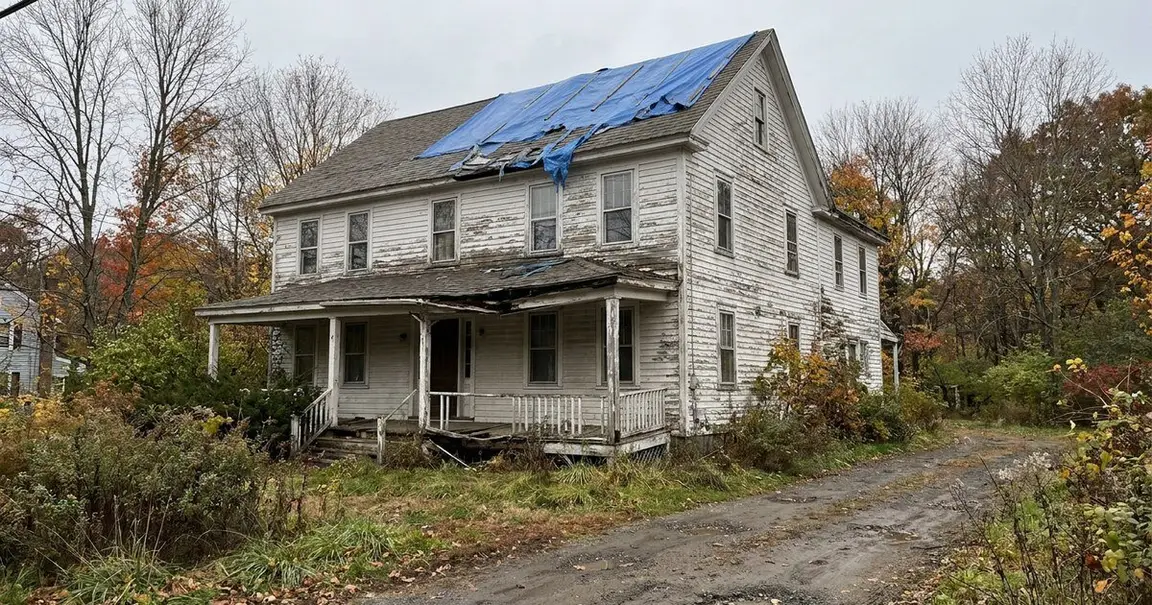

Maybe the roof leaks every time it rains. Maybe there’s a crack in the basement wall that keeps getting wider, or a kitchen that hasn’t been touched since the 1970s. Whatever the problem, a house that needs major repairs can feel impossible to sell. The good news: you have options, and the right one depends on your budget, your timeline, and how much hassle you want.
This guide walks through your options, what Connecticut’s disclosure law expects from you, and how to protect yourself if you do decide to fix things first.
This article is general information, not legal advice. For questions about your specific sale or your disclosure obligations, talk with a Connecticut real estate attorney.
What Counts as “Major Repairs”?
Small things like a dripping faucet or worn carpet rarely stop a sale. Major repairs are the problems that scare buyers and lenders, such as:
- Foundation problems: cracks, settling, bowing walls, or a crumbling concrete foundation. See our page on selling a house with foundation issues in Connecticut.
- Water damage: burst pipes, a wet basement, or a roof leak that spread. Learn more about selling a water-damaged house.
- Mold: often follows water problems and can make a home hard to finance. Here’s how to sell a mold-damaged house.
- Fire damage: smoke, soot, and structural damage after a fire. Read about selling a fire-damaged house in Connecticut.
- Old or failing systems: a worn-out roof, heating system, septic, electrical, or plumbing.
Before you decide, get a contractor’s estimate or inspection report so you have a real number to weigh against your options.
Your Three Main Options
1. Make the repairs, then list the house
Fixing the big problems first can attract more buyers and higher offers. But you pay for the work up front, you carry the mortgage, taxes, insurance, and utilities while it’s being done, and repairs often uncover more problems once walls or floors are opened up.
2. List the house as-is on the open market
You can list a house that needs work without fixing it. The catch is that many buyers use mortgages, and a house with serious defects can have trouble passing the buyer’s inspection or the lender’s appraisal. Expect more negotiation, more requests for credits, and a higher chance a deal falls apart. You’ll still pay commission and handle showings.
3. Sell as-is to a cash buyer
A cash buyer like True Home Offers buys houses in their current condition. There are no repairs, no cleanup, no showings, and no agent commission, and you pick the closing date. Because the buyer takes on the repairs, a cash offer is usually lower than what a fully fixed-up house would sell for on the market, so compare the numbers. Our side-by-side comparison and our cash buyer vs. realtor guide can help you do the math.
What Connecticut’s Disclosure Law Says
Selling as-is doesn’t mean keeping problems quiet. Connecticut’s Uniform Property Condition Disclosure Act, Conn. Gen. Stat. § 20-327b, requires most sellers of residential property to give the buyer a written condition report before the buyer signs a binder, contract to purchase, option, or lease with an option to buy. The Department of Consumer Protection’s Residential Property Condition Report says these rules apply to homes with four or fewer units, including condos and co-ops, whether or not a real estate agent is involved.
What that means for you:
- You answer based on what you actually know. Under § 20-327e, your answers cover your actual knowledge of the property.
- You don’t have to order inspections. Section 20-327d says the law doesn’t require the seller to get inspections or tests, and it doesn’t create new warranties.
- Skipping the report has a cost. Under § 20-327c, a seller who doesn’t provide the report must credit the buyer $500 at closing. Paying that credit does not excuse you from disclosing a known defect that significantly affects the home’s value, the health or safety of future occupants, or its useful life.
The form asks about many of the problems that come with a house needing major repairs, including foundation problems or settling, basement water or dampness, roof leaks, any foundation testing or repairs you know about, and whether you know of pyrrhotite in a concrete foundation. Some transfers are exempt from the law, so ask your attorney whether yours is one of them.
If You Decide to Make Repairs First
If you go the repair route, the Connecticut Department of Consumer Protection (DCP) has advice for homeowners planning home improvement projects:
- Check registration. Home improvement contractors must be registered with DCP. Look them up on eLicense before you hire anyone.
- Get a written contract. DCP says it must include the contractor’s registration number, a project summary, timeline, cost, and your three-day right to cancel.
- Ask for proof of insurance. DCP suggests asking for proof of general liability coverage of at least $20,000.
- Agree on permits. Decide who pulls the building permit, and if it’s the contractor, confirm with your local building official.
DCP’s Home Improvement for Consumers page adds that electrical, plumbing, and HVAC work often needs a specific license.
How Selling As-Is for Cash Works
If repairs aren’t realistic, here’s how a cash sale to True Home Offers generally works:
- Tell us about the house. Call or fill out a short form with the address and what’s wrong with it.
- We take a look. We walk through the property once. No staging or cleanup needed.
- Get a written offer. There’s no obligation to accept, and you can review it with your attorney or family.
- Pick your closing date. You choose when to close, and you can leave behind anything you don’t want.
We buy houses, multifamily properties, and condos across Connecticut, including in Hartford, New Haven, and Waterbury.
Frequently Asked Questions
Can I sell a house in Connecticut without making repairs?
Yes. You can sell as-is to any buyer willing to take the house in its current condition. Cash buyers do this regularly. You still need to follow Connecticut’s disclosure rules.
Do I have to disclose problems if I’m selling as-is?
In most cases, yes. Conn. Gen. Stat. § 20-327b requires the condition report before the buyer signs a contract, and “as-is” doesn’t cancel that. Your answers cover what you actually know, and you aren’t required to order inspections.
Will a cash buyer pay less for a house that needs work?
Usually, because the buyer pays for the repairs after closing. In exchange, you skip repair costs, showings, and commission. Compare the offer to what you’d net after fixing and listing.
What if I already started repairs and ran out of money?
That’s common. A cash buyer can take the house partly finished. Keep your contracts and invoices for the disclosure report.
Get a Cash Offer for Your Connecticut House
True Home Offers is a Connecticut cash home buyer based in Hamden. If your house needs more work than you want to take on, we can give you a fair, no-obligation written cash offer for it as-is.
Call (203) 297-8734 or get your cash offer online. There’s no pressure, and you’re never obligated to accept.