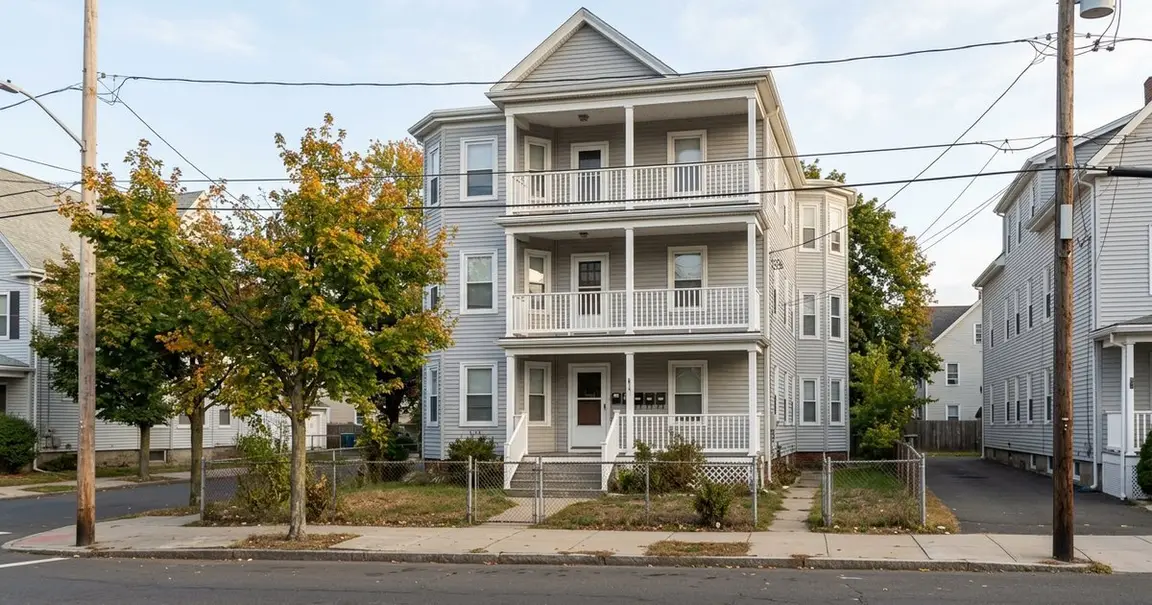

Being a landlord can be rewarding. It can also wear you down. Late rent, repair calls, turnover, and the occasional tenant who stops paying altogether can turn a good investment into a constant headache. If you’re ready to get out, you may be wondering whether you can sell a rental property in Connecticut with tenants still living there.
You can. This guide covers what Connecticut law says about tenants when a property is sold, how the eviction process works if you want the place empty first, and the main ways tired landlords sell.
This article is general information, not legal advice. Landlord-tenant law has strict rules, and mistakes can be costly. Talk to a Connecticut attorney before serving notices or starting an eviction.
Can You Sell a Rental With Tenants in Place?
Yes. In general, selling the building doesn’t cancel the tenants’ leases. The buyer steps into your shoes as the new landlord and takes the property subject to the existing tenancies. Connecticut’s landlord-tenant statutes plan for this. They refer to the new owner as a successor and spell out what happens to deposits and notices when ownership changes.
That’s why many landlords sell to investors who are happy to buy with tenants in place. It skips the cost and time of emptying the units first.
What Connecticut Law Requires When You Sell
Showing the property
Under Conn. Gen. Stat. § 47a-16, a tenant can’t unreasonably refuse to let you in to show the unit to prospective buyers. But you have to give reasonable written or oral notice, enter only at reasonable times (except in an emergency), and you can’t use your right of entry to harass the tenant.
Security deposits go to the buyer
Connecticut’s security deposit law, Conn. Gen. Stat. § 47a-21, has specific rules for a sale:
- When the property is transferred, the selling landlord must withdraw the tenants’ security deposits from escrow and deliver them, plus accrued interest, to the new owner.
- The new owner must give each tenant written notice of the amount held and the bank where it’s kept within 30 days of receiving the deposit.
- The new owner becomes responsible for returning deposits that come due while they’re the landlord.
Pull together your deposit records and escrow statements early. Missing paperwork is one of the most common snags at closing.
Tenants get the new owner’s contact information
Under Conn. Gen. Stat. § 47a-6, a successor landlord must tell tenants in writing, at the time it takes over, the name and address of the person managing the property and the person authorized to receive notices and legal papers.
If You Want the Property Empty First
Some sellers want the units vacant before selling, for example to sell to an owner-occupant. You have a few ways to get there.
Wait for the lease to end
If the lease is ending soon, you can choose not to renew. If the tenant doesn’t leave, you still need to go through the court process below.
Make a move-out agreement
Some landlords offer a tenant money or other help to move out by a set date, often called “cash for keys.” This is voluntary for the tenant. If you go this route, put the agreement in writing, and have your attorney review it.
Go through the eviction (summary process)
Connecticut evictions are called summary process, and they go through the Superior Court. According to the Judicial Branch’s Landlord’s Guide to Eviction (Summary Process), the basic steps are:
- Notice to Quit. You serve a Notice to Quit (JD-HM-7) that lists a reason and gives the tenant at least three full days to move out. Common reasons are nonpayment of rent and the lease ending by lapse of time.
- Summons and complaint. If the tenant stays past that date, you can start the court case.
- Judgment. If the court rules for you, the tenant has five days to move out and can apply to the court for more time.
- Execution. If the tenant still hasn’t left, you get a Summary Process Execution signed by the court and give it to a state marshal. Only the marshal carries out the removal.
For nonpayment, Connecticut gives tenants a nine-day grace period after rent is due before you can terminate for nonpayment (§ 47a-15a). If the property has a federally backed mortgage or is in certain federal programs, federal CARES Act notice rules may also apply. The court has a CARES Act Affidavit of Compliance (JD-HM-41) for those cases.
Never change the locks or remove a tenant’s belongings to force someone out. A tenant who is locked out can take you to court under Conn. Gen. Stat. § 47a-43. Use the court process.
Some tenants have extra protection
Under Conn. Gen. Stat. § 47a-23c, certain tenants in buildings or complexes with five or more units can only be evicted for specific “good cause” reasons, such as nonpayment or serious lease violations. This covers tenants who are 62 or older (or live with a spouse, sibling, parent, or grandparent who is), and tenants with qualifying disabilities (or who live with certain family members who have one). An ending lease alone isn’t enough, so check with your attorney if you own a larger building.
Your Options as a Tired Landlord
- List it with an agent. This can bring the highest price, especially if the units are vacant and updated. Expect showings, repairs, commissions, and a longer timeline.
- Sell to an investor with tenants in place. You hand over the leases and deposits at closing, and the buyer takes on the tenants.
- Sell for cash, as-is. A cash buyer can take the property with tenants, back rent problems, deferred maintenance, and all, and you pick the closing date.
Our cash buyer vs. realtor guide compares the numbers. Remember to budget for the state and town conveyance tax, explained in our guide to Connecticut seller closing costs. Taxes on selling a rental also work differently than selling your own home, so check with a tax professional before you sell.
FAQ
Do tenants have to move out when a house is sold in Connecticut? Generally, no. A sale doesn’t end a lease by itself. The buyer becomes the new landlord, and any move-out has to follow the lease and Connecticut’s court process.
What happens to the security deposits? Under § 47a-21, the seller transfers the deposits plus accrued interest to the buyer, and the buyer becomes responsible for returning them.
Can I sell if my tenant isn’t paying rent? Yes. You can sell with an eviction in progress or with the tenant still in place. Some buyers, including cash buyers, purchase in that situation.
Get a Fair Cash Offer for Your Connecticut Rental
True Home Offers is a Connecticut cash home buyer based in Hamden. We buy houses, multifamily properties, and condos, including occupied rentals, in New Haven, Hartford, Waterbury, Meriden, and across the state. Learn more on our selling a house with problem tenants page.
Call (203) 297-8734 or get your cash offer online. There’s no pressure, and you’re never obligated to accept.